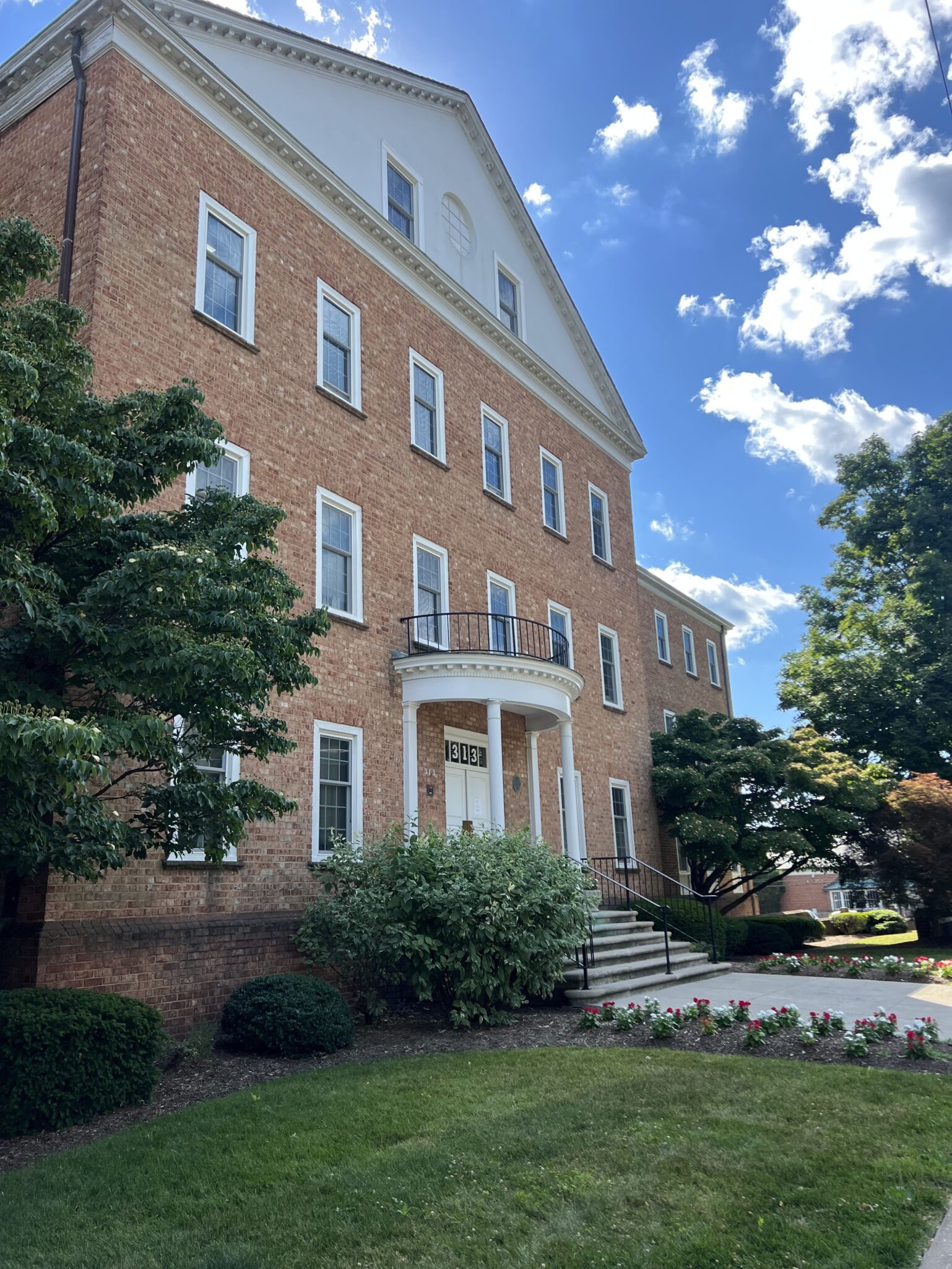

Trusted Endodontist in Sterling
If you’re dealing with persistent tooth pain, you might be wondering whether it’s time to see an endodontist in Sterling. Not every toothache requires specialist care, but some symptoms are your body’s way of waving a red flag. Ignoring these signs can lead to tooth loss or spreading infection.
Endodontists complete two to three years of specialized training beyond dental school, focusing exclusively on diagnosing tooth pain and treating conditions inside your tooth. Let’s break down five warning signs that mean it’s time to schedule an appointment with a specialist in Sterling.
1. Persistent Tooth Pain That Won’t Quit
We’ve all experienced a random twinge or brief sensitivity. But when pain becomes persistent, comes and goes in waves, or feels deep inside the tooth, it’s time to pay attention. Pain that radiates to your jaw or cheek often indicates a problem with the pulp, the soft tissue containing nerves and blood vessels. According to the American Association of Endodontists, these specialists are experts in diagnosing difficult-to-identify dental pain.
2. Extreme Sensitivity to Hot or Cold
A brief sensitivity when you sip hot coffee or eat ice cream is common. What’s not normal is when that sensitivity lingers for 30 seconds or longer after you’ve removed the source. If drinking something hot or cold literally takes your breath away or causes pain that radiates through your tooth, the nerve inside may be damaged or inflamed.
This prolonged sensitivity is often one of the earliest warning signs that a root canal may be needed. The good news? Modern root canal treatment is nothing like the outdated horror stories you might have heard. Most patients describe the experience as similar to getting a filling, and relief from pain typically follows quickly.
3. Swelling in Your Gums, Face, or Jaw
Swelling is your body’s response to infection. You might notice a small, tender bump on your gumline, or in advanced cases, swelling can extend into your face or jaw. A pimple-like bump on your gum, called a dental abscess, indicates a severe infection near the tooth root. Dental infections require prompt professional treatment to prevent serious complications.
4. A Chipped, Cracked, or Darkened Tooth
Accidents happen. Even a tiny chip or hairline crack can expose the interior of your tooth to bacteria, creating a pathway for infection. If you’ve noticed one tooth becoming darker than the others, turning gray or black, this often signals that the pulp inside is dying or infected.
Getting treatment quickly for visible damage can often save your teeth and prevent more extensive procedures. Endodontists have earned the nickname “Specialists in Saving Teeth” because they frequently rescue teeth that would otherwise need extraction.
5. Pain That Returns After Previous Dental Work
Sometimes a filling or even a previous root canal doesn’t completely resolve the underlying problem. If you’re experiencing recurring pain in a tooth that’s already been treated, bacteria may have found their way back into the root canal system, or the original infection may not have been fully cleared.
Root canal anatomy can be incredibly complex, with tiny canals that branch and curve in ways that make thorough cleaning challenging. This is precisely why you should choose an endodontist for these situations. While general dentists perform an average of two root canals per week, endodontists typically complete around 25, giving them the experience and specialized technology to handle even the most complicated cases.
Why Specialized Care Makes a Difference
You might wonder why your dentist would refer you to an endodontist. Think of it this way: your general dentist is your quarterback for overall oral health, but when something requires specialized expertise, bringing in a specialist gives you the best chance for a successful outcome. Endodontists invest in advanced technology like high-powered microscopes and 3D imaging that provide detailed views traditional x-rays can miss.
Don’t Wait Until It Gets Worse
Tooth infections don’t heal on their own. If you’re experiencing any of these warning signs, putting off treatment typically means more pain and potentially losing a tooth that could have been saved. At One Endodontics, we understand that dental anxiety is real, and we prioritize making every patient comfortable. Modern endodontic treatment has come a long way, with most patients reporting little discomfort during procedures.
If you’re in Sterling or the surrounding Northern Virginia area and experiencing persistent tooth pain, sensitivity, or swelling, reach out to schedule a consultation. The sooner you address the problem, the better your chances of keeping your natural tooth for years to come.